May 13, 2026
Home Workout Equipment: A Complete Guide to Building an Effective Home Gym
May 13, 2026
Home Workout Equipment: A Complete Guide to Building an Effective Home Gym
May 13, 2026
Home Workout Equipment: A Complete Guide to Building an Effective Home Gym
A few well-chosen pieces of home workout equipment can turn a spare corner, balcony, or garage into a reliable place for consistent training. For fitness enthusiasts and busy people juggling work, school, and social lives, the right gear makes workouts easier to start, trackable, and—most importantly—effective. This guide walks through what to buy, how to organize gear, budget-friendly setups, workout ideas, safety tips, and how tools like the Fitsaver App can make those saved Instagram and TikTok clips actually useful.
Why Invest in Home Workout Equipment?
Home workout equipment bridges the gap between intention and action. Gyms are great, but they require commuting, membership costs, and sometimes waiting for equipment. At home, barriers drop and consistency gets a boost. With the right setup, users can:
Train on their schedule and avoid travel time.
Personalize their routines—focusing on strength, cardio, mobility, or HIIT.
Use short-form social videos as workouts without fumbling through saved clips—especially when they use an organizer app.
Scale equipment as progress happens and keep costs lower long-term.
Key Principles Before Picking Gear
Choosing home workout equipment isn’t just shopping for shiny gear. A thoughtful approach saves money and ensures workouts actually get done. Consider these principles:
Goals first: Strength, muscle gain, endurance, weight loss, or mobility—each priority suggests different tools.
Space constraints: Measure the intended workout area, including ceiling height for overhead moves or pull-up bars.
Budget tiers: Decide whether to build gradually or invest upfront in a comprehensive setup.
Noise and neighbors: Carpets, rubber mats, or quieter machines matter for apartment living.
Progression potential: Pick equipment that scales: adjustable dumbbells, heavier bands, or plates for a barbell setup.
Essential Home Workout Equipment for Every Beginner
For most people starting out, a compact set of tools covers cardio, strength, and mobility without clutter. These essentials are versatile, affordable, and easy to store.
1. Adjustable Dumbbells
Adjustable dumbbells offer multiple weight options in a single footprint, perfect for limited space. They suit pressing, rowing, lunges, squats, and loaded carries. Look for a durable selector mechanism and smooth transitions between weights.
2. Resistance Bands
Resistance bands are lightweight, portable, and great for warm-ups, accessory work, and full-body routines. They come in looped bands (mini bands) and long tube bands with handles—both are useful. Bands are indispensable for people who travel or want a low-impact strength option.
3. Yoga/Exercise Mat
A good mat provides grip, joint cushioning, and defines a training zone. It’s essential for core work, mobility drills, and floor-based strength moves.
4. Pull-Up Bar
Doorway or wall-mounted pull-up bars allow users to train upper-body pulling strength and core stability. If ceiling height is tight, consider portable foldable options or resistance-band-assisted pull-up setups.
5. Jump Rope
Jump ropes deliver high-intensity cardiovascular work with minimal space and cost. They’re great for quick conditioning or as circuit transitions.
6. Kettlebell (Optional but Valuable)
A single kettlebell adds ballistic training like swings, goblet squats, and Turkish get-ups—moves that transfer well to athletic performance and fat loss.
Scaling Up: Equipment for Intermediate to Advanced Home Gyms
When progress stalls, targeted purchases give new stimulus. Intermediate and advanced lifters might add:
Adjustable bench: Incline and flat pressing plus supported single-leg work.
Barbell and plates: For heavy squats, deadlifts, and progressive loading.
Power rack or squat stand: Safety and versatility for barbell training.
Rowing machine, treadmill, or assault bike: For low-impact cardio, intervals, and endurance.
Olympic bar and bumper plates: For dedicated strength or Olympic-style lifts.
Plyo box: Jump training and step-ups.
Budget Home Gym Ideas: Build Smart Without Breaking the Bank
Spending less doesn’t mean settling. These practical setups fit different price ranges and spaces.
Starter Setup — Under $150
Set of resistance bands ($20–$40)
Adjustable jump rope ($10–$20)
Yoga mat ($15–$40)
One kettlebell (8–16 kg or 18–35 lb) or a basic pair of fixed dumbbells ($40–$100)
This setup covers cardio, strength, mobility, and mobility—good for bodyweight progressions and band resistance training.
Balanced Home Gym — $150–$600
Adjustable dumbbells ($150–$400 depending on brand)
Adjustable bench ($100–$200)
Doorway pull-up bar or freestanding unit ($30–$150)
Extra bands and accessories ($30–$100)
A balanced setup handles progressive loading with more exercise variation.
Performance Setup — $600–$2,500+
Barbell, bumper plates, and rack ($600–$1,500)
Rowing machine or bike ($500–$2,000)
High-quality adjustable dumbbells or additional kettlebells ($300–$1,000)
Flooring and storage solutions ($100–$500)
This range suits serious lifters who want a near-gym experience at home.
Compact and Apartment-Friendly Options
Not every apartment permits heavy gear or noisy machines. Practical alternatives include:
Adjustable dumbbells: Replace entire racks with one compact set.
Resistance bands: Offer a wide range of tensions without weights.
Suspension trainer: Anchors to a door for full-body workouts and minimal installation.
Foldable treadmill or small bike: Look for models designed for apartment ceilings and noise reduction.
Rubber mats and bumper pads: Damp noise for dropping weights or pacing floor impact.
How to Choose Between Types of Gear
Comparison helps users match equipment to goals.
Dumbbells vs. Kettlebells
Dumbbells provide stable, bilateral or unilateral strength work and are better for presses, rows, and slow-controlled lifts. Kettlebells excel for dynamic, hip-dominant moves like swings and cleans. If space allows, both add valuable variety.
Resistance Bands vs. Machines
Bands are inexpensive, portable, and decent for strength and mobility. Machines offer consistent resistance curves and are often safer for absolute beginners but take more space and money.
Rowing Machine vs. Treadmill vs. Bike
Rowing: Full-body cardio with low joint impact—efficient and calorie-burning.
Treadmill: Best for running-specific training and straightforward intervals.
Bike/Assault Bike: Lower-body focus, great for sprints and HIIT. Assault bikes add upper-body engagement and very intense intervals.
Designing Effective Home Workouts With Minimal Equipment
Good workouts don’t need a lot of tools—thoughtful programming matters more. Below are sample routines for different goals and equipment levels.
Full-Body Strength (3 Days/Week) — Equipment: Adjustable Dumbbells, Bench, Bands
Warm-up: 5–8 minutes mobility + banded pull-aparts
Goblet Squat — 3 sets x 8–12 reps
Dumbbell Bench Press — 3 sets x 6–10 reps
One-Arm Dumbbell Row — 3 sets x 8–10 reps per side
Romanian Deadlift (dumbbells) — 3 sets x 8–12 reps
Plank Variations — 3 sets x 30–60 seconds
Cooldown: Foam rolling and static stretches
HIIT Cardio Circuit (20 Minutes) — Equipment: Jump Rope, Bands
30 seconds jump rope
30 seconds banded squat jumps
30 seconds mountain climbers
30 seconds banded rows
Repeat 4–6 rounds with 60–90 seconds rest between rounds
Strength-Focused Lower Body (4 Weeks Progression) — Equipment: Barbell or Dumbbells, Rack Optional
Week 1–2: 3 sets of 8–10 reps, Week 3: 4 sets of 5–8 reps heavier, Week 4: Deload with lighter loads and higher reps. Progress load gradually and prioritize technique.
Integrating Social Media Workouts Without Distraction
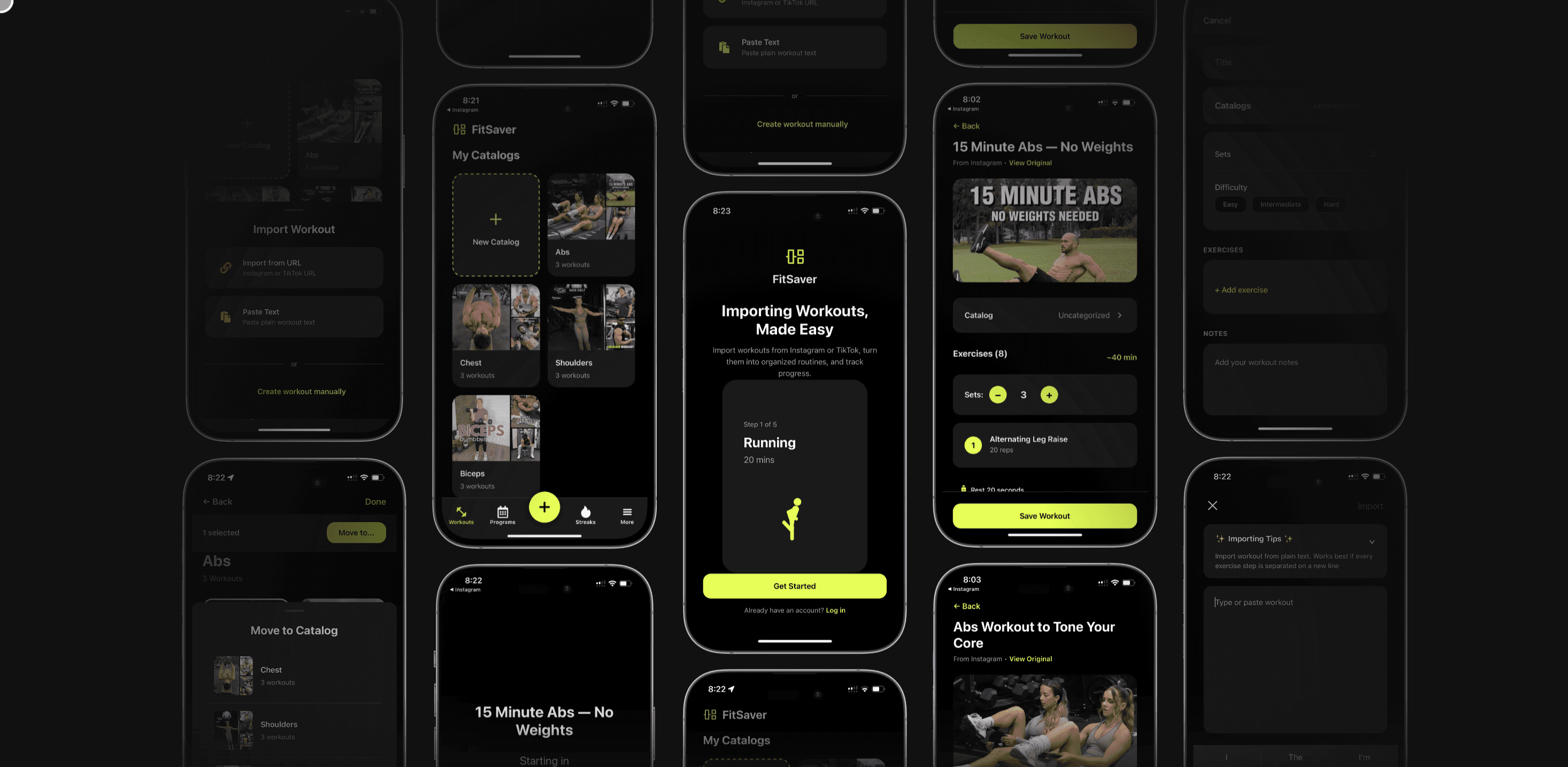
Saved Instagram Reels and TikToks are a goldmine for new exercises, but they’re chaotic when someone tries to actually train from them. Apps like Fitsaver solve that problem by turning those short clips into structured, distraction-free routines. Rather than tapping through bookmarks and interrupting sets, users can:
Convert saved videos into ordered workout steps with set and rep suggestions.
Tag equipment required on each exercise so the routine only shows compatible workouts (e.g., band-only or dumbbell-only).
Schedule workouts, set rest timers, and track progress right alongside the routine.
Reduce phone-scrolling during workouts—content becomes actionable instead of just inspirational.
For busy people who find workout ideas on social platforms, an organizer app transforms inspiration into consistent training—making every piece of gear count.
Storage, Organization, and Small-Space Hacks
Neat storage makes workouts faster and keeps living areas tidy. Ideas for storing home workout equipment efficiently:
Wall racks: Store bands, ropes, and mats vertically to free floor space.
Dumbbell stands: Compact racks or under-bed storage boxes for fixed weights.
Foldable benches and compact racks: Stow between uses if space is tight.
Pegboards or hooks: Hang jump ropes, resistance bands, and suspension trainers.
Clear labeling: Keep small accessories in bins labeled by type for quick retrieval.
Safety and Maintenance: Keep Gear Working and People Safe
Equipment is an investment—physical safety and gear longevity depend on regular upkeep.
Safety Tips
Always warm up for 5–10 minutes before heavy lifting.
Check anchor points for suspension trainers and pull-up bars before each session.
Use collars on barbells and secure plates properly.
Start with conservative loads when learning a new movement or equipment piece.
Wear appropriate footwear—grip and ankle support matter for heavier lifts.
Maintenance Tips
Wipe down upholstery, grips, and mats after sweating—use mild soap and water or gear-specific cleaners.
Inspect bands for tears; toss any with visible damage.
Tighten bolts on benches and racks periodically.
Lubricate moving parts on machines as recommended by the manufacturer.
Store metallic equipment in dry conditions to prevent rust.
Where to Buy and What to Look For
Buying decisions matter more than price tags. Look for durable materials, warranty support, and clear return policies.
Trusted Places to Shop
Specialty fitness retailers—often offer warranties and customer support.
Direct-to-consumer brands—competitive pricing and innovative designs.
Local classified ads or resale marketplaces—for bargains on lightly used gear.
Big-box stores—for affordable basics and impulse buys.
What to Check Before Purchase
Warranty and return policy—especially for higher-ticket items like rowers or racks.
Customer reviews—look for patterns about durability and customer service.
Weight increments—adjustable dumbbells should offer small jumps early on for progressive overload.
Assembly requirements and included hardware—big equipment sometimes needs a truck and DIY skills.
How Much Space Is Really Needed?
Basic workouts need roughly a 6x6 foot area for most movements. Overhead lifts and box jumps require more vertical space. Cardio machines need longer footprints—measure ahead of ordering. Users in smaller apartments can rely on portable, foldable gear and mat-based routines to get high-quality training in compact spaces.
Upgrading Smartly: What to Buy Next
After the essentials, upgrades should be goal-driven. Consider these purchases in priority order:
Solid adjustable dumbbells (if initial gear was bands only)
Adjustable bench for pressing variety
Barbell and plates if strength gains stall with dumbbells
Power rack for heavy squats and safety
Quality cardio machine for dedicated intervals and endurance
Each upgrade unlocks more exercise variation and progressive overload options.
Sample 8-Week Progression Plan Using Home Workout Equipment
This plan assumes a starter setup: adjustable dumbbells, bands, mat, and jump rope. The goal is strength and conditioning with three structured workouts per week. Users can import or arrange social media exercises into structured sessions using a workout organizer app to set reps, rests, and progression notes.
Weeks 1–2: Build Habits
Workout A: Goblet squats, dumbbell floor press, one-arm row, plank
Workout B: Romanian deadlift, overhead press, split squat, side plank
Workout C: Jump rope intervals, banded pull-aparts, kettlebell swings (or dumbbell swings), core circuit
Perform 3 sets of 8–12 reps for strength movements and 20–40 second intervals for core work. Keep intensity moderate to focus on form.
Weeks 3–6: Increase Load and Intensity
Shift to 4 sets on main lifts, reduce reps to 6–10 with heavier weight.
Introduce tempo work (e.g., 3-second eccentric) on one lift per session to create stimulus without huge weight jumps.
Add a short HIIT finisher once per week (8–12 minutes).
Weeks 7–8: Test and Deload
Week 7: Test a 1–2 rep max (safely with a partner or using submaximal testing) or push reps to failure on a single set for a measure of progress.
Week 8: Deload—reduce volume by 50% and focus on mobility, recovery, and technique.
Tracking weights, sets, and perceived effort matters. This is where tools like Fitsaver help: they convert saved video workouts into step-by-step plans and store progress logs so users don't forget what they did last week.
Common Mistakes and How to Avoid Them
Buying gear before committing: Start with minimal essentials and add gear as training needs emerge.
Filling space with gadgets: Focus on multi-use equipment rather than single-function toys.
Ignoring progression: Periodize training and gradually increase load or complexity.
Scroll-and-train: Avoid using social apps mid-set. Convert videos into routines to stay focused.
Poor storage: Unstored gear becomes a trip hazard and demotivator—organize early.
How Technology Enhances Home Training
Fitness tech elevates simple equipment into a smart training system. Examples:
Wearable heart-rate monitors for targeted training zones.
Smart scales for body composition tracking.
Apps that structure workouts and log progress—critical for turning social media inspiration into results. Fitsaver, for example, lets users transform saved Instagram and TikTok workouts into sequenced, equipment-tagged routines, set timers, and mark completed sets without opening multiple apps mid-session.
Bluetooth speakers or smart displays for guided sessions and music motivation.
Environmental and Lifestyle Considerations
Owners should think about ergonomics and lifestyle fit:
Noise control—choose quiet flooring and machines if neighbors are close.
Temperature and ventilation—workouts heat rooms quickly; fans help circulation.
Lighting—bright, natural light can improve mood and performance.
Mood cues—dedicated space, even a small one, signals "time to train."
Conclusion
Choosing the right home workout equipment is about starting with essentials, aligning purchases to goals, and creating systems that promote consistency. For tech-savvy, social-media-inspired fitness fans, the missing link is often organization—turning saved Reels and TikToks into usable programming. Apps like Fitsaver make that transition seamless, tagging exercises by equipment, stacking them into routines, and tracking progress so users stay focused and make steady gains. Whether someone wants a minimalist kit for bodyweight and bands or a full home gym with barbells and a rower, thoughtful choices will save money, boost results, and make training at home something to look forward to.
Frequently Asked Questions
What are the absolute must-haves for a small apartment home gym?
For small spaces, prioritize adjustable dumbbells, resistance bands, a yoga/exercise mat, and a jump rope. These cover strength, mobility, and cardio while being easy to store.
Are resistance bands as effective as weights?
Resistance bands are effective for many goals—especially for beginners, rehab, and accessory work. They provide variable resistance and allow movement patterns that mimic free weights. For maximal strength and progressive overload at high loads, free weights (dumbbells/barbells) may be more appropriate.
How much money should someone expect to spend to get a decent home workout setup?
Expect to spend $150–$600 for a versatile home setup that includes adjustable dumbbells, a bench, bands, and a mat. Serious setups (rack, barbell, plates, and cardio machine) often fall in the $600–$2,500+ range.
Can social media workout clips be trusted for programming?
Short-form clips are great for ideas and technique cues but often lack context, progression, and warm-up guidance. Converting these clips into structured routines—by adding sets, reps, rest, and scaling options—makes them safe and effective. Organizational apps help with that conversion.
How should equipment be maintained to last longer?
Regularly wipe down gear, inspect bands and cables for wear, tighten hardware on benches and racks, lubricate moving parts per manufacturer guidance, and store equipment in dry conditions to prevent corrosion and degradation.
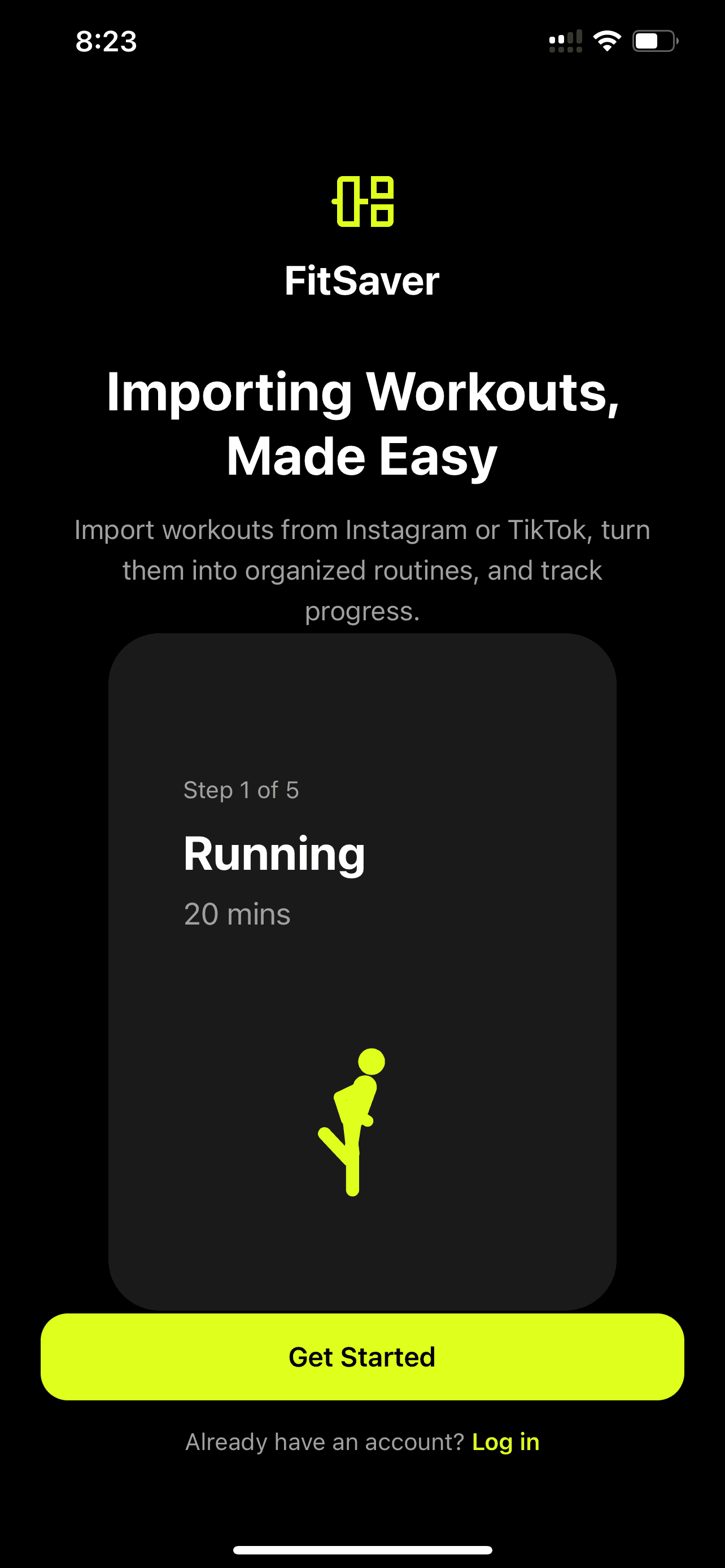

A few well-chosen pieces of home workout equipment can turn a spare corner, balcony, or garage into a reliable place for consistent training. For fitness enthusiasts and busy people juggling work, school, and social lives, the right gear makes workouts easier to start, trackable, and—most importantly—effective. This guide walks through what to buy, how to organize gear, budget-friendly setups, workout ideas, safety tips, and how tools like the Fitsaver App can make those saved Instagram and TikTok clips actually useful.
Why Invest in Home Workout Equipment?
Home workout equipment bridges the gap between intention and action. Gyms are great, but they require commuting, membership costs, and sometimes waiting for equipment. At home, barriers drop and consistency gets a boost. With the right setup, users can:
Train on their schedule and avoid travel time.
Personalize their routines—focusing on strength, cardio, mobility, or HIIT.
Use short-form social videos as workouts without fumbling through saved clips—especially when they use an organizer app.
Scale equipment as progress happens and keep costs lower long-term.
Key Principles Before Picking Gear
Choosing home workout equipment isn’t just shopping for shiny gear. A thoughtful approach saves money and ensures workouts actually get done. Consider these principles:
Goals first: Strength, muscle gain, endurance, weight loss, or mobility—each priority suggests different tools.
Space constraints: Measure the intended workout area, including ceiling height for overhead moves or pull-up bars.
Budget tiers: Decide whether to build gradually or invest upfront in a comprehensive setup.
Noise and neighbors: Carpets, rubber mats, or quieter machines matter for apartment living.
Progression potential: Pick equipment that scales: adjustable dumbbells, heavier bands, or plates for a barbell setup.
Essential Home Workout Equipment for Every Beginner
For most people starting out, a compact set of tools covers cardio, strength, and mobility without clutter. These essentials are versatile, affordable, and easy to store.
1. Adjustable Dumbbells
Adjustable dumbbells offer multiple weight options in a single footprint, perfect for limited space. They suit pressing, rowing, lunges, squats, and loaded carries. Look for a durable selector mechanism and smooth transitions between weights.
2. Resistance Bands
Resistance bands are lightweight, portable, and great for warm-ups, accessory work, and full-body routines. They come in looped bands (mini bands) and long tube bands with handles—both are useful. Bands are indispensable for people who travel or want a low-impact strength option.
3. Yoga/Exercise Mat
A good mat provides grip, joint cushioning, and defines a training zone. It’s essential for core work, mobility drills, and floor-based strength moves.
4. Pull-Up Bar
Doorway or wall-mounted pull-up bars allow users to train upper-body pulling strength and core stability. If ceiling height is tight, consider portable foldable options or resistance-band-assisted pull-up setups.
5. Jump Rope
Jump ropes deliver high-intensity cardiovascular work with minimal space and cost. They’re great for quick conditioning or as circuit transitions.
6. Kettlebell (Optional but Valuable)
A single kettlebell adds ballistic training like swings, goblet squats, and Turkish get-ups—moves that transfer well to athletic performance and fat loss.
Scaling Up: Equipment for Intermediate to Advanced Home Gyms
When progress stalls, targeted purchases give new stimulus. Intermediate and advanced lifters might add:
Adjustable bench: Incline and flat pressing plus supported single-leg work.
Barbell and plates: For heavy squats, deadlifts, and progressive loading.
Power rack or squat stand: Safety and versatility for barbell training.
Rowing machine, treadmill, or assault bike: For low-impact cardio, intervals, and endurance.
Olympic bar and bumper plates: For dedicated strength or Olympic-style lifts.
Plyo box: Jump training and step-ups.
Budget Home Gym Ideas: Build Smart Without Breaking the Bank
Spending less doesn’t mean settling. These practical setups fit different price ranges and spaces.
Starter Setup — Under $150
Set of resistance bands ($20–$40)
Adjustable jump rope ($10–$20)
Yoga mat ($15–$40)
One kettlebell (8–16 kg or 18–35 lb) or a basic pair of fixed dumbbells ($40–$100)
This setup covers cardio, strength, mobility, and mobility—good for bodyweight progressions and band resistance training.
Balanced Home Gym — $150–$600
Adjustable dumbbells ($150–$400 depending on brand)
Adjustable bench ($100–$200)
Doorway pull-up bar or freestanding unit ($30–$150)
Extra bands and accessories ($30–$100)
A balanced setup handles progressive loading with more exercise variation.
Performance Setup — $600–$2,500+
Barbell, bumper plates, and rack ($600–$1,500)
Rowing machine or bike ($500–$2,000)
High-quality adjustable dumbbells or additional kettlebells ($300–$1,000)
Flooring and storage solutions ($100–$500)
This range suits serious lifters who want a near-gym experience at home.
Compact and Apartment-Friendly Options
Not every apartment permits heavy gear or noisy machines. Practical alternatives include:
Adjustable dumbbells: Replace entire racks with one compact set.
Resistance bands: Offer a wide range of tensions without weights.
Suspension trainer: Anchors to a door for full-body workouts and minimal installation.
Foldable treadmill or small bike: Look for models designed for apartment ceilings and noise reduction.
Rubber mats and bumper pads: Damp noise for dropping weights or pacing floor impact.
How to Choose Between Types of Gear
Comparison helps users match equipment to goals.
Dumbbells vs. Kettlebells
Dumbbells provide stable, bilateral or unilateral strength work and are better for presses, rows, and slow-controlled lifts. Kettlebells excel for dynamic, hip-dominant moves like swings and cleans. If space allows, both add valuable variety.
Resistance Bands vs. Machines
Bands are inexpensive, portable, and decent for strength and mobility. Machines offer consistent resistance curves and are often safer for absolute beginners but take more space and money.
Rowing Machine vs. Treadmill vs. Bike
Rowing: Full-body cardio with low joint impact—efficient and calorie-burning.
Treadmill: Best for running-specific training and straightforward intervals.
Bike/Assault Bike: Lower-body focus, great for sprints and HIIT. Assault bikes add upper-body engagement and very intense intervals.
Designing Effective Home Workouts With Minimal Equipment
Good workouts don’t need a lot of tools—thoughtful programming matters more. Below are sample routines for different goals and equipment levels.
Full-Body Strength (3 Days/Week) — Equipment: Adjustable Dumbbells, Bench, Bands
Warm-up: 5–8 minutes mobility + banded pull-aparts
Goblet Squat — 3 sets x 8–12 reps
Dumbbell Bench Press — 3 sets x 6–10 reps
One-Arm Dumbbell Row — 3 sets x 8–10 reps per side
Romanian Deadlift (dumbbells) — 3 sets x 8–12 reps
Plank Variations — 3 sets x 30–60 seconds
Cooldown: Foam rolling and static stretches
HIIT Cardio Circuit (20 Minutes) — Equipment: Jump Rope, Bands
30 seconds jump rope
30 seconds banded squat jumps
30 seconds mountain climbers
30 seconds banded rows
Repeat 4–6 rounds with 60–90 seconds rest between rounds
Strength-Focused Lower Body (4 Weeks Progression) — Equipment: Barbell or Dumbbells, Rack Optional
Week 1–2: 3 sets of 8–10 reps, Week 3: 4 sets of 5–8 reps heavier, Week 4: Deload with lighter loads and higher reps. Progress load gradually and prioritize technique.
Integrating Social Media Workouts Without Distraction
Saved Instagram Reels and TikToks are a goldmine for new exercises, but they’re chaotic when someone tries to actually train from them. Apps like Fitsaver solve that problem by turning those short clips into structured, distraction-free routines. Rather than tapping through bookmarks and interrupting sets, users can:
Convert saved videos into ordered workout steps with set and rep suggestions.
Tag equipment required on each exercise so the routine only shows compatible workouts (e.g., band-only or dumbbell-only).
Schedule workouts, set rest timers, and track progress right alongside the routine.
Reduce phone-scrolling during workouts—content becomes actionable instead of just inspirational.
For busy people who find workout ideas on social platforms, an organizer app transforms inspiration into consistent training—making every piece of gear count.
Storage, Organization, and Small-Space Hacks
Neat storage makes workouts faster and keeps living areas tidy. Ideas for storing home workout equipment efficiently:
Wall racks: Store bands, ropes, and mats vertically to free floor space.
Dumbbell stands: Compact racks or under-bed storage boxes for fixed weights.
Foldable benches and compact racks: Stow between uses if space is tight.
Pegboards or hooks: Hang jump ropes, resistance bands, and suspension trainers.
Clear labeling: Keep small accessories in bins labeled by type for quick retrieval.
Safety and Maintenance: Keep Gear Working and People Safe
Equipment is an investment—physical safety and gear longevity depend on regular upkeep.
Safety Tips
Always warm up for 5–10 minutes before heavy lifting.
Check anchor points for suspension trainers and pull-up bars before each session.
Use collars on barbells and secure plates properly.
Start with conservative loads when learning a new movement or equipment piece.
Wear appropriate footwear—grip and ankle support matter for heavier lifts.
Maintenance Tips
Wipe down upholstery, grips, and mats after sweating—use mild soap and water or gear-specific cleaners.
Inspect bands for tears; toss any with visible damage.
Tighten bolts on benches and racks periodically.
Lubricate moving parts on machines as recommended by the manufacturer.
Store metallic equipment in dry conditions to prevent rust.
Where to Buy and What to Look For
Buying decisions matter more than price tags. Look for durable materials, warranty support, and clear return policies.
Trusted Places to Shop
Specialty fitness retailers—often offer warranties and customer support.
Direct-to-consumer brands—competitive pricing and innovative designs.
Local classified ads or resale marketplaces—for bargains on lightly used gear.
Big-box stores—for affordable basics and impulse buys.
What to Check Before Purchase
Warranty and return policy—especially for higher-ticket items like rowers or racks.
Customer reviews—look for patterns about durability and customer service.
Weight increments—adjustable dumbbells should offer small jumps early on for progressive overload.
Assembly requirements and included hardware—big equipment sometimes needs a truck and DIY skills.
How Much Space Is Really Needed?
Basic workouts need roughly a 6x6 foot area for most movements. Overhead lifts and box jumps require more vertical space. Cardio machines need longer footprints—measure ahead of ordering. Users in smaller apartments can rely on portable, foldable gear and mat-based routines to get high-quality training in compact spaces.
Upgrading Smartly: What to Buy Next
After the essentials, upgrades should be goal-driven. Consider these purchases in priority order:
Solid adjustable dumbbells (if initial gear was bands only)
Adjustable bench for pressing variety
Barbell and plates if strength gains stall with dumbbells
Power rack for heavy squats and safety
Quality cardio machine for dedicated intervals and endurance
Each upgrade unlocks more exercise variation and progressive overload options.
Sample 8-Week Progression Plan Using Home Workout Equipment
This plan assumes a starter setup: adjustable dumbbells, bands, mat, and jump rope. The goal is strength and conditioning with three structured workouts per week. Users can import or arrange social media exercises into structured sessions using a workout organizer app to set reps, rests, and progression notes.
Weeks 1–2: Build Habits
Workout A: Goblet squats, dumbbell floor press, one-arm row, plank
Workout B: Romanian deadlift, overhead press, split squat, side plank
Workout C: Jump rope intervals, banded pull-aparts, kettlebell swings (or dumbbell swings), core circuit
Perform 3 sets of 8–12 reps for strength movements and 20–40 second intervals for core work. Keep intensity moderate to focus on form.
Weeks 3–6: Increase Load and Intensity
Shift to 4 sets on main lifts, reduce reps to 6–10 with heavier weight.
Introduce tempo work (e.g., 3-second eccentric) on one lift per session to create stimulus without huge weight jumps.
Add a short HIIT finisher once per week (8–12 minutes).
Weeks 7–8: Test and Deload
Week 7: Test a 1–2 rep max (safely with a partner or using submaximal testing) or push reps to failure on a single set for a measure of progress.
Week 8: Deload—reduce volume by 50% and focus on mobility, recovery, and technique.
Tracking weights, sets, and perceived effort matters. This is where tools like Fitsaver help: they convert saved video workouts into step-by-step plans and store progress logs so users don't forget what they did last week.
Common Mistakes and How to Avoid Them
Buying gear before committing: Start with minimal essentials and add gear as training needs emerge.
Filling space with gadgets: Focus on multi-use equipment rather than single-function toys.
Ignoring progression: Periodize training and gradually increase load or complexity.
Scroll-and-train: Avoid using social apps mid-set. Convert videos into routines to stay focused.
Poor storage: Unstored gear becomes a trip hazard and demotivator—organize early.
How Technology Enhances Home Training
Fitness tech elevates simple equipment into a smart training system. Examples:
Wearable heart-rate monitors for targeted training zones.
Smart scales for body composition tracking.
Apps that structure workouts and log progress—critical for turning social media inspiration into results. Fitsaver, for example, lets users transform saved Instagram and TikTok workouts into sequenced, equipment-tagged routines, set timers, and mark completed sets without opening multiple apps mid-session.
Bluetooth speakers or smart displays for guided sessions and music motivation.
Environmental and Lifestyle Considerations
Owners should think about ergonomics and lifestyle fit:
Noise control—choose quiet flooring and machines if neighbors are close.
Temperature and ventilation—workouts heat rooms quickly; fans help circulation.
Lighting—bright, natural light can improve mood and performance.
Mood cues—dedicated space, even a small one, signals "time to train."
Conclusion
Choosing the right home workout equipment is about starting with essentials, aligning purchases to goals, and creating systems that promote consistency. For tech-savvy, social-media-inspired fitness fans, the missing link is often organization—turning saved Reels and TikToks into usable programming. Apps like Fitsaver make that transition seamless, tagging exercises by equipment, stacking them into routines, and tracking progress so users stay focused and make steady gains. Whether someone wants a minimalist kit for bodyweight and bands or a full home gym with barbells and a rower, thoughtful choices will save money, boost results, and make training at home something to look forward to.
Frequently Asked Questions
What are the absolute must-haves for a small apartment home gym?
For small spaces, prioritize adjustable dumbbells, resistance bands, a yoga/exercise mat, and a jump rope. These cover strength, mobility, and cardio while being easy to store.
Are resistance bands as effective as weights?
Resistance bands are effective for many goals—especially for beginners, rehab, and accessory work. They provide variable resistance and allow movement patterns that mimic free weights. For maximal strength and progressive overload at high loads, free weights (dumbbells/barbells) may be more appropriate.
How much money should someone expect to spend to get a decent home workout setup?
Expect to spend $150–$600 for a versatile home setup that includes adjustable dumbbells, a bench, bands, and a mat. Serious setups (rack, barbell, plates, and cardio machine) often fall in the $600–$2,500+ range.
Can social media workout clips be trusted for programming?
Short-form clips are great for ideas and technique cues but often lack context, progression, and warm-up guidance. Converting these clips into structured routines—by adding sets, reps, rest, and scaling options—makes them safe and effective. Organizational apps help with that conversion.
How should equipment be maintained to last longer?
Regularly wipe down gear, inspect bands and cables for wear, tighten hardware on benches and racks, lubricate moving parts per manufacturer guidance, and store equipment in dry conditions to prevent corrosion and degradation.
A few well-chosen pieces of home workout equipment can turn a spare corner, balcony, or garage into a reliable place for consistent training. For fitness enthusiasts and busy people juggling work, school, and social lives, the right gear makes workouts easier to start, trackable, and—most importantly—effective. This guide walks through what to buy, how to organize gear, budget-friendly setups, workout ideas, safety tips, and how tools like the Fitsaver App can make those saved Instagram and TikTok clips actually useful.
Why Invest in Home Workout Equipment?
Home workout equipment bridges the gap between intention and action. Gyms are great, but they require commuting, membership costs, and sometimes waiting for equipment. At home, barriers drop and consistency gets a boost. With the right setup, users can:
Train on their schedule and avoid travel time.
Personalize their routines—focusing on strength, cardio, mobility, or HIIT.
Use short-form social videos as workouts without fumbling through saved clips—especially when they use an organizer app.
Scale equipment as progress happens and keep costs lower long-term.
Key Principles Before Picking Gear
Choosing home workout equipment isn’t just shopping for shiny gear. A thoughtful approach saves money and ensures workouts actually get done. Consider these principles:
Goals first: Strength, muscle gain, endurance, weight loss, or mobility—each priority suggests different tools.
Space constraints: Measure the intended workout area, including ceiling height for overhead moves or pull-up bars.
Budget tiers: Decide whether to build gradually or invest upfront in a comprehensive setup.
Noise and neighbors: Carpets, rubber mats, or quieter machines matter for apartment living.
Progression potential: Pick equipment that scales: adjustable dumbbells, heavier bands, or plates for a barbell setup.
Essential Home Workout Equipment for Every Beginner
For most people starting out, a compact set of tools covers cardio, strength, and mobility without clutter. These essentials are versatile, affordable, and easy to store.
1. Adjustable Dumbbells
Adjustable dumbbells offer multiple weight options in a single footprint, perfect for limited space. They suit pressing, rowing, lunges, squats, and loaded carries. Look for a durable selector mechanism and smooth transitions between weights.
2. Resistance Bands
Resistance bands are lightweight, portable, and great for warm-ups, accessory work, and full-body routines. They come in looped bands (mini bands) and long tube bands with handles—both are useful. Bands are indispensable for people who travel or want a low-impact strength option.
3. Yoga/Exercise Mat
A good mat provides grip, joint cushioning, and defines a training zone. It’s essential for core work, mobility drills, and floor-based strength moves.
4. Pull-Up Bar
Doorway or wall-mounted pull-up bars allow users to train upper-body pulling strength and core stability. If ceiling height is tight, consider portable foldable options or resistance-band-assisted pull-up setups.
5. Jump Rope
Jump ropes deliver high-intensity cardiovascular work with minimal space and cost. They’re great for quick conditioning or as circuit transitions.
6. Kettlebell (Optional but Valuable)
A single kettlebell adds ballistic training like swings, goblet squats, and Turkish get-ups—moves that transfer well to athletic performance and fat loss.
Scaling Up: Equipment for Intermediate to Advanced Home Gyms
When progress stalls, targeted purchases give new stimulus. Intermediate and advanced lifters might add:
Adjustable bench: Incline and flat pressing plus supported single-leg work.
Barbell and plates: For heavy squats, deadlifts, and progressive loading.
Power rack or squat stand: Safety and versatility for barbell training.
Rowing machine, treadmill, or assault bike: For low-impact cardio, intervals, and endurance.
Olympic bar and bumper plates: For dedicated strength or Olympic-style lifts.
Plyo box: Jump training and step-ups.
Budget Home Gym Ideas: Build Smart Without Breaking the Bank
Spending less doesn’t mean settling. These practical setups fit different price ranges and spaces.
Starter Setup — Under $150
Set of resistance bands ($20–$40)
Adjustable jump rope ($10–$20)
Yoga mat ($15–$40)
One kettlebell (8–16 kg or 18–35 lb) or a basic pair of fixed dumbbells ($40–$100)
This setup covers cardio, strength, mobility, and mobility—good for bodyweight progressions and band resistance training.
Balanced Home Gym — $150–$600
Adjustable dumbbells ($150–$400 depending on brand)
Adjustable bench ($100–$200)
Doorway pull-up bar or freestanding unit ($30–$150)
Extra bands and accessories ($30–$100)
A balanced setup handles progressive loading with more exercise variation.
Performance Setup — $600–$2,500+
Barbell, bumper plates, and rack ($600–$1,500)
Rowing machine or bike ($500–$2,000)
High-quality adjustable dumbbells or additional kettlebells ($300–$1,000)
Flooring and storage solutions ($100–$500)
This range suits serious lifters who want a near-gym experience at home.
Compact and Apartment-Friendly Options
Not every apartment permits heavy gear or noisy machines. Practical alternatives include:
Adjustable dumbbells: Replace entire racks with one compact set.
Resistance bands: Offer a wide range of tensions without weights.
Suspension trainer: Anchors to a door for full-body workouts and minimal installation.
Foldable treadmill or small bike: Look for models designed for apartment ceilings and noise reduction.
Rubber mats and bumper pads: Damp noise for dropping weights or pacing floor impact.
How to Choose Between Types of Gear
Comparison helps users match equipment to goals.
Dumbbells vs. Kettlebells
Dumbbells provide stable, bilateral or unilateral strength work and are better for presses, rows, and slow-controlled lifts. Kettlebells excel for dynamic, hip-dominant moves like swings and cleans. If space allows, both add valuable variety.
Resistance Bands vs. Machines
Bands are inexpensive, portable, and decent for strength and mobility. Machines offer consistent resistance curves and are often safer for absolute beginners but take more space and money.
Rowing Machine vs. Treadmill vs. Bike
Rowing: Full-body cardio with low joint impact—efficient and calorie-burning.
Treadmill: Best for running-specific training and straightforward intervals.
Bike/Assault Bike: Lower-body focus, great for sprints and HIIT. Assault bikes add upper-body engagement and very intense intervals.
Designing Effective Home Workouts With Minimal Equipment
Good workouts don’t need a lot of tools—thoughtful programming matters more. Below are sample routines for different goals and equipment levels.
Full-Body Strength (3 Days/Week) — Equipment: Adjustable Dumbbells, Bench, Bands
Warm-up: 5–8 minutes mobility + banded pull-aparts
Goblet Squat — 3 sets x 8–12 reps
Dumbbell Bench Press — 3 sets x 6–10 reps
One-Arm Dumbbell Row — 3 sets x 8–10 reps per side
Romanian Deadlift (dumbbells) — 3 sets x 8–12 reps
Plank Variations — 3 sets x 30–60 seconds
Cooldown: Foam rolling and static stretches
HIIT Cardio Circuit (20 Minutes) — Equipment: Jump Rope, Bands
30 seconds jump rope
30 seconds banded squat jumps
30 seconds mountain climbers
30 seconds banded rows
Repeat 4–6 rounds with 60–90 seconds rest between rounds
Strength-Focused Lower Body (4 Weeks Progression) — Equipment: Barbell or Dumbbells, Rack Optional
Week 1–2: 3 sets of 8–10 reps, Week 3: 4 sets of 5–8 reps heavier, Week 4: Deload with lighter loads and higher reps. Progress load gradually and prioritize technique.
Integrating Social Media Workouts Without Distraction
Saved Instagram Reels and TikToks are a goldmine for new exercises, but they’re chaotic when someone tries to actually train from them. Apps like Fitsaver solve that problem by turning those short clips into structured, distraction-free routines. Rather than tapping through bookmarks and interrupting sets, users can:
Convert saved videos into ordered workout steps with set and rep suggestions.
Tag equipment required on each exercise so the routine only shows compatible workouts (e.g., band-only or dumbbell-only).
Schedule workouts, set rest timers, and track progress right alongside the routine.
Reduce phone-scrolling during workouts—content becomes actionable instead of just inspirational.
For busy people who find workout ideas on social platforms, an organizer app transforms inspiration into consistent training—making every piece of gear count.
Storage, Organization, and Small-Space Hacks
Neat storage makes workouts faster and keeps living areas tidy. Ideas for storing home workout equipment efficiently:
Wall racks: Store bands, ropes, and mats vertically to free floor space.
Dumbbell stands: Compact racks or under-bed storage boxes for fixed weights.
Foldable benches and compact racks: Stow between uses if space is tight.
Pegboards or hooks: Hang jump ropes, resistance bands, and suspension trainers.
Clear labeling: Keep small accessories in bins labeled by type for quick retrieval.
Safety and Maintenance: Keep Gear Working and People Safe
Equipment is an investment—physical safety and gear longevity depend on regular upkeep.
Safety Tips
Always warm up for 5–10 minutes before heavy lifting.
Check anchor points for suspension trainers and pull-up bars before each session.
Use collars on barbells and secure plates properly.
Start with conservative loads when learning a new movement or equipment piece.
Wear appropriate footwear—grip and ankle support matter for heavier lifts.
Maintenance Tips
Wipe down upholstery, grips, and mats after sweating—use mild soap and water or gear-specific cleaners.
Inspect bands for tears; toss any with visible damage.
Tighten bolts on benches and racks periodically.
Lubricate moving parts on machines as recommended by the manufacturer.
Store metallic equipment in dry conditions to prevent rust.
Where to Buy and What to Look For
Buying decisions matter more than price tags. Look for durable materials, warranty support, and clear return policies.
Trusted Places to Shop
Specialty fitness retailers—often offer warranties and customer support.
Direct-to-consumer brands—competitive pricing and innovative designs.
Local classified ads or resale marketplaces—for bargains on lightly used gear.
Big-box stores—for affordable basics and impulse buys.
What to Check Before Purchase
Warranty and return policy—especially for higher-ticket items like rowers or racks.
Customer reviews—look for patterns about durability and customer service.
Weight increments—adjustable dumbbells should offer small jumps early on for progressive overload.
Assembly requirements and included hardware—big equipment sometimes needs a truck and DIY skills.
How Much Space Is Really Needed?
Basic workouts need roughly a 6x6 foot area for most movements. Overhead lifts and box jumps require more vertical space. Cardio machines need longer footprints—measure ahead of ordering. Users in smaller apartments can rely on portable, foldable gear and mat-based routines to get high-quality training in compact spaces.
Upgrading Smartly: What to Buy Next
After the essentials, upgrades should be goal-driven. Consider these purchases in priority order:
Solid adjustable dumbbells (if initial gear was bands only)
Adjustable bench for pressing variety
Barbell and plates if strength gains stall with dumbbells
Power rack for heavy squats and safety
Quality cardio machine for dedicated intervals and endurance
Each upgrade unlocks more exercise variation and progressive overload options.
Sample 8-Week Progression Plan Using Home Workout Equipment
This plan assumes a starter setup: adjustable dumbbells, bands, mat, and jump rope. The goal is strength and conditioning with three structured workouts per week. Users can import or arrange social media exercises into structured sessions using a workout organizer app to set reps, rests, and progression notes.
Weeks 1–2: Build Habits
Workout A: Goblet squats, dumbbell floor press, one-arm row, plank
Workout B: Romanian deadlift, overhead press, split squat, side plank
Workout C: Jump rope intervals, banded pull-aparts, kettlebell swings (or dumbbell swings), core circuit
Perform 3 sets of 8–12 reps for strength movements and 20–40 second intervals for core work. Keep intensity moderate to focus on form.
Weeks 3–6: Increase Load and Intensity
Shift to 4 sets on main lifts, reduce reps to 6–10 with heavier weight.
Introduce tempo work (e.g., 3-second eccentric) on one lift per session to create stimulus without huge weight jumps.
Add a short HIIT finisher once per week (8–12 minutes).
Weeks 7–8: Test and Deload
Week 7: Test a 1–2 rep max (safely with a partner or using submaximal testing) or push reps to failure on a single set for a measure of progress.
Week 8: Deload—reduce volume by 50% and focus on mobility, recovery, and technique.
Tracking weights, sets, and perceived effort matters. This is where tools like Fitsaver help: they convert saved video workouts into step-by-step plans and store progress logs so users don't forget what they did last week.
Common Mistakes and How to Avoid Them
Buying gear before committing: Start with minimal essentials and add gear as training needs emerge.
Filling space with gadgets: Focus on multi-use equipment rather than single-function toys.
Ignoring progression: Periodize training and gradually increase load or complexity.
Scroll-and-train: Avoid using social apps mid-set. Convert videos into routines to stay focused.
Poor storage: Unstored gear becomes a trip hazard and demotivator—organize early.
How Technology Enhances Home Training
Fitness tech elevates simple equipment into a smart training system. Examples:
Wearable heart-rate monitors for targeted training zones.
Smart scales for body composition tracking.
Apps that structure workouts and log progress—critical for turning social media inspiration into results. Fitsaver, for example, lets users transform saved Instagram and TikTok workouts into sequenced, equipment-tagged routines, set timers, and mark completed sets without opening multiple apps mid-session.
Bluetooth speakers or smart displays for guided sessions and music motivation.
Environmental and Lifestyle Considerations
Owners should think about ergonomics and lifestyle fit:
Noise control—choose quiet flooring and machines if neighbors are close.
Temperature and ventilation—workouts heat rooms quickly; fans help circulation.
Lighting—bright, natural light can improve mood and performance.
Mood cues—dedicated space, even a small one, signals "time to train."
Conclusion
Choosing the right home workout equipment is about starting with essentials, aligning purchases to goals, and creating systems that promote consistency. For tech-savvy, social-media-inspired fitness fans, the missing link is often organization—turning saved Reels and TikToks into usable programming. Apps like Fitsaver make that transition seamless, tagging exercises by equipment, stacking them into routines, and tracking progress so users stay focused and make steady gains. Whether someone wants a minimalist kit for bodyweight and bands or a full home gym with barbells and a rower, thoughtful choices will save money, boost results, and make training at home something to look forward to.
Frequently Asked Questions
What are the absolute must-haves for a small apartment home gym?
For small spaces, prioritize adjustable dumbbells, resistance bands, a yoga/exercise mat, and a jump rope. These cover strength, mobility, and cardio while being easy to store.
Are resistance bands as effective as weights?
Resistance bands are effective for many goals—especially for beginners, rehab, and accessory work. They provide variable resistance and allow movement patterns that mimic free weights. For maximal strength and progressive overload at high loads, free weights (dumbbells/barbells) may be more appropriate.
How much money should someone expect to spend to get a decent home workout setup?
Expect to spend $150–$600 for a versatile home setup that includes adjustable dumbbells, a bench, bands, and a mat. Serious setups (rack, barbell, plates, and cardio machine) often fall in the $600–$2,500+ range.
Can social media workout clips be trusted for programming?
Short-form clips are great for ideas and technique cues but often lack context, progression, and warm-up guidance. Converting these clips into structured routines—by adding sets, reps, rest, and scaling options—makes them safe and effective. Organizational apps help with that conversion.
How should equipment be maintained to last longer?
Regularly wipe down gear, inspect bands and cables for wear, tighten hardware on benches and racks, lubricate moving parts per manufacturer guidance, and store equipment in dry conditions to prevent corrosion and degradation.